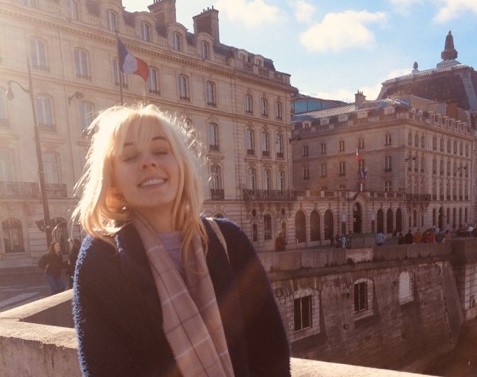
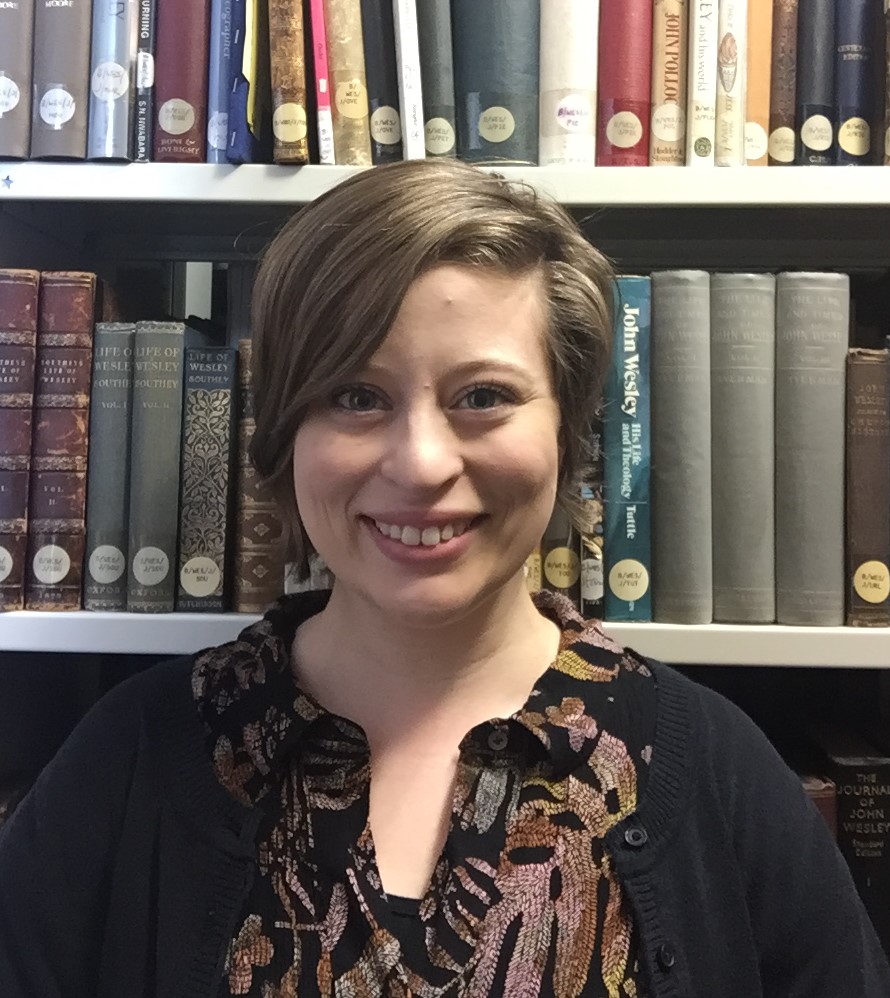
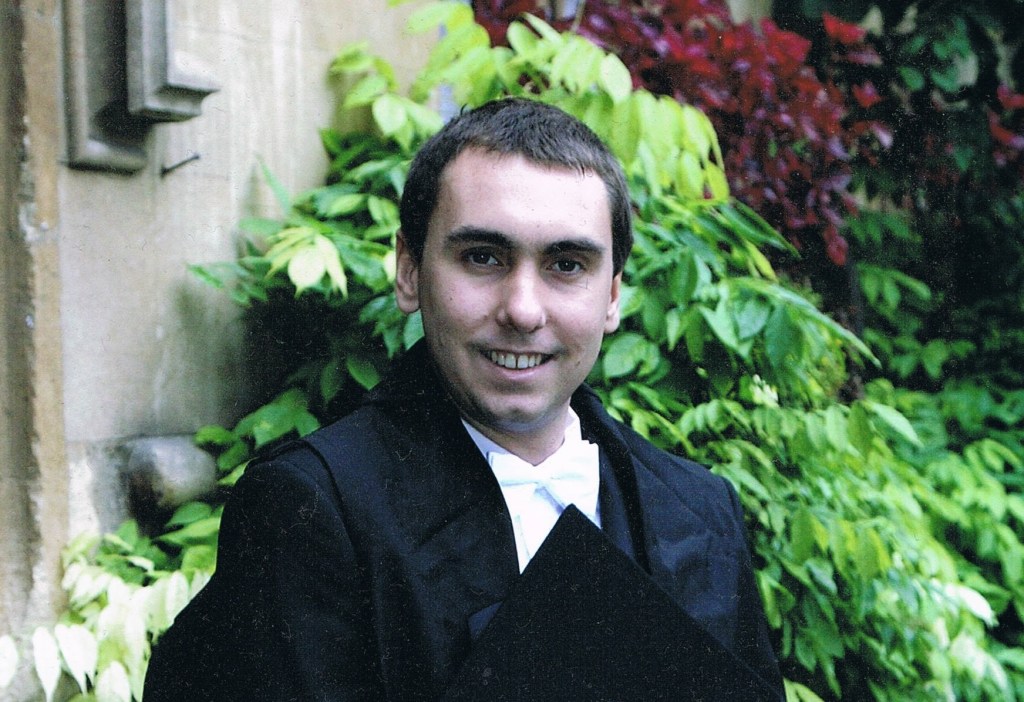
Lizzie Barratt, Visiting Research Fellow at the Oxford Centre for Methodism and Church History for 2020-21.
As a recent graduate in History of Art and English I have been so excited to have taken up a fellowship with the OCMCH this year. My time as a Visiting Fellow is centred around the artist, poet, and essayist James Smetham, as part of the Centre’s programme to mark the bicentenary of his birth in September 2021.
Smetham was a unique and intriguing figure, a devout Methodist residing on the fringes of the Victorian art scene. The work he left behind is rich and vibrant to study, variable both stylistically and in subject matter. The question of how Smetham ‘fitted’ within the movements of the contemporary art world has been of particular interest to me as an art history enthusiast, as he was friendly with many Pre-Raphaelite figures, and many of his works echo Pre-Raphaelite motifs. However, much also diverts, Smetham’s work often more expressionistic and inward-looking, as well as flip-flopping stylistically in an attempt to create commercially successful works in line with the latest trends.
However, Smetham never fulfilled his artistic ambitions, his life ending in a silent collapse of mental health – some commentators citing his Methodist faith and way of life as grounds for his failure to reach artistic success and mental stability. Questions surrounding the relationships between Smetham’s art, religion and mental health are extremely complicated, and yet seem unavoidable when discussing the artist. Whilst a form of religious melancholia and self-deprecation in his aim towards spiritual growth are undeniably present in Smetham’s personal writings, to view Methodism as a wholly negative influence appears reductionist. Faith and religious wonder also provided joy and artistic inspiration, Methodism and art thus both simultaneously guiding and tormenting him. A non-monolithic and open-ended exploration of these three aspects (religion, art and mental health) and how they intertwined in the artist’s life have been at the forefront of this project – a challenging but important lens through which to better understand Smetham’s work.
The outcome of my fellowship so far has been an introductory online exhibition. It has been challenging to introduce such a complicated figure in a way that does his work justice and speaks to viewers today, but I am extremely proud of what we have produced. Using the Centre’s archive to research for this has been a highlight. The collection of artworks, but also the array of Smetham’s personal musings, letters and ‘squarings’ (which have especially captivated me!) have been an indispensable resource in ‘getting to know’ the artist. Engagement with the collection is something I have continued to enjoy as I have embarked upon transcribing one of the volumes of letters and memoranda. With galleries, museums, and libraries closed for much of last year, I have felt so lucky to be able to continue to engage in art-historical research and study works first-hand. I am extremely grateful to all at the centre for this opportunity, which has given me incredible new experiences and skills that I will take with me on my Masters and beyond – and I can’t wait to keep working on Smetham!