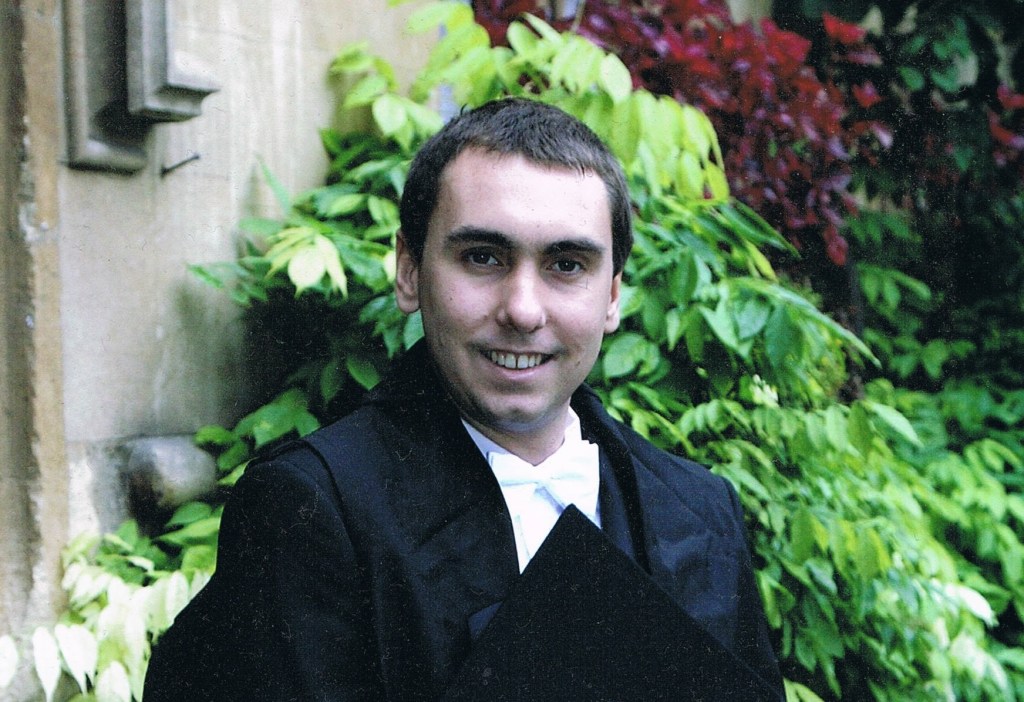

Simon Lewis, who is a visiting research fellow in the Oxford Centre for Methodism and Church History for 2016-17, writes of his research for the year;
During my Visiting Fellowship, I will be completing my doctoral thesis, which is entitled ‘Anti-Methodism as an Aspect of Theological Controversy in England, c.1738-c.1763’. It is well known that Methodism was a divisive phenomenon, which generated a torrent of printed criticism throughout the middle decades of the eighteenth century. While these early polemical attacks on such figures as John Wesley and George Whitefield have gained some scholarly attention, historians have tended to view anti-Methodism as an isolated category of literature. My research aims to address this issue by reintegrating anti-Methodism into the wider theological controversies of the age. More specifically, it considers the way in which these polemics interacted with and informed contemporary debates regarding such issues as Deism, miracles, and Hell.
Much of my time on the Fellowship will be dedicated to completing the final chapter of my thesis, which discusses the use and misuse of history in anti-Methodist polemics. Amongst other things, it investigates why High Church Anglicans often associated Methodists with a wide variety of religious groups (e.g. Puritans, Quakers, and Muslims) that had seemingly little in common. By referring to the polemics of such seventeenth-century authors as Roger L’Estrange and Charles Leslie, it is argued that Methodists were only the latest in a long line of religious ‘enthusiasts’ whom High Churchmen had associated with popery in their polemics. This, along with the fact that many of Wesley and Whitefield’s opponents cited these earlier authors in their tracts, suggests that one should view early anti-Methodist literature as the latest manifestation of these polemical assaults on the Church of England’s ‘enthusiastic’ enemies. Importantly, this will reinforce one of the key points in my thesis – that these debates between Methodists and their opponents should be viewed, not as part of some ‘Great Awakening’ that suddenly occurred in the 1730s, but, rather, as part of the ‘long Reformation’, which continued into the middle decades of the eighteenth century.
 Westminster College Oxford - Research
Leave a comment